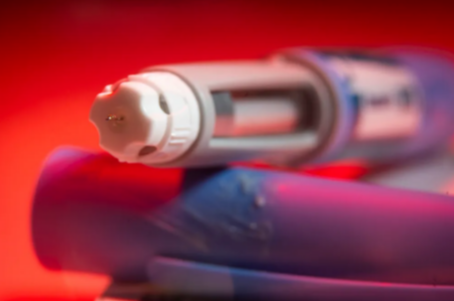
If you are considering microdose Ozempic for managing your health, understanding the real cost and access factors is essential. Microdosing refers to taking smaller amounts of Ozempic than the standard prescribed doses, often in an attempt to minimize side effects or personalize treatment. However, these smaller doses come with certain financial and practical tradeoffs that consumers should weigh carefully before making decisions.
What Is Microdose Ozempic?
Ozempic is a medication primarily prescribed for type 2 diabetes and is known for its effects on blood sugar regulation and appetite control. The standard doses come in pre-filled pens with fixed amounts, typically starting at 0.25 or 0.5 milligrams weekly. Microdosing involves using a fraction of these doses, sometimes by splitting doses or using specialized dosing techniques.
People interested in microdosing may seek to avoid the more pronounced side effects seen at higher doses or may be exploring its use for weight management outside of standard prescriptions. Because this approach often falls outside official guidelines, it can create challenges in terms of how the medication is accessed and paid for.
Cost Considerations for Microdose Ozempic
One of the first hurdles is cost. Ozempic is a branded product that can be expensive without insurance coverage. Many insurance plans only cover certain doses, and coverage may not extend to smaller, custom doses.
When microdosing, patients may need to buy full-dose pens and use only a portion of each dose. This can lead to wastage of medication and higher out-of-pocket expenses. Some people may resort to off-label use or obtaining doses through non-traditional channels, which further complicates pricing and safety.
In addition, pharmacies may not offer dosing assistance for microdosing, so patients might need to invest in dose-splitting tools or syringes suitable for measuring smaller quantities. These ancillary costs add up and should be part of the financial calculus.
Access Challenges
Accessing Ozempic at microdose levels is not straightforward. Physicians may be hesitant to recommend doses outside of official guidelines. Prescriptions usually specify doses that align with FDA approvals, so doctors might be reluctant to write prescriptions for custom microdoses.
Furthermore, because microdosing is not standard practice, insurance companies may deny claims for doses that appear inconsistent with approved treatments. This can lead to higher direct costs or the need to pay cash prices.
Some patients explore compounding pharmacies or peptide clinics that can provide customized doses. However, these options vary widely in cost, legality, and quality assurance, making it important to research thoroughly before proceeding.
Evaluating the Tradeoffs: A Practical Framework
When considering microdose Ozempic, it helps to evaluate tradeoffs in three key areas: cost, access, and safety.
Cost: Calculate your expected expenses, including medication, dosing equipment, and any provider visits. Compare these against your budget and insurance coverage.
Access: Assess how easily you can obtain the medication in the doses you want. This includes physician willingness, pharmacy policies, and insurance approval.
Safety: Research reputable sources and guidelines to understand potential risks with off-label dosing. Consult healthcare professionals to ensure your approach aligns with your health needs.
By weighing these factors carefully, you can make a more informed decision about whether microdosing Ozempic fits your situation.
Where to Find Reliable Guidance
Because microdosing Ozempic involves nuances in dosing and costs, accessing clear, practical information is critical. For those seeking a well-organized overview that breaks down the basics of microdosing, dosing protocols, and considerations, this FormBlends breakdown offers a comprehensive resource.
It compiles current knowledge and practical tips in a way that is easy to understand, helping readers navigate the complexities involved.
Frequently Asked Questions
Is microdose Ozempic approved by the FDA?
Microdosing as a practice falls outside the standard approved dosing ranges. While Ozempic itself is FDA-approved for certain doses, using smaller fractions is considered off-label and should be done under medical supervision.
How can I measure microdoses accurately?
Measuring smaller doses may require specialized syringes or dose-splitting devices. Some patients seek advice from compounding pharmacies, but precision and sterility are important factors to consider.
Will insurance cover microdose Ozempic?
Insurance coverage varies, but many plans only cover standard doses listed in the medication’s official prescribing information. Coverage for microdoses may be limited or denied, leading to higher out-of-pocket costs.
Final Note
This article is intended for informational purposes only and does not substitute professional medical advice. Always consult a healthcare provider before making changes to medication regimens or dosing strategies.